Fruit Tree Trimming in Yakima: What You Need to Know
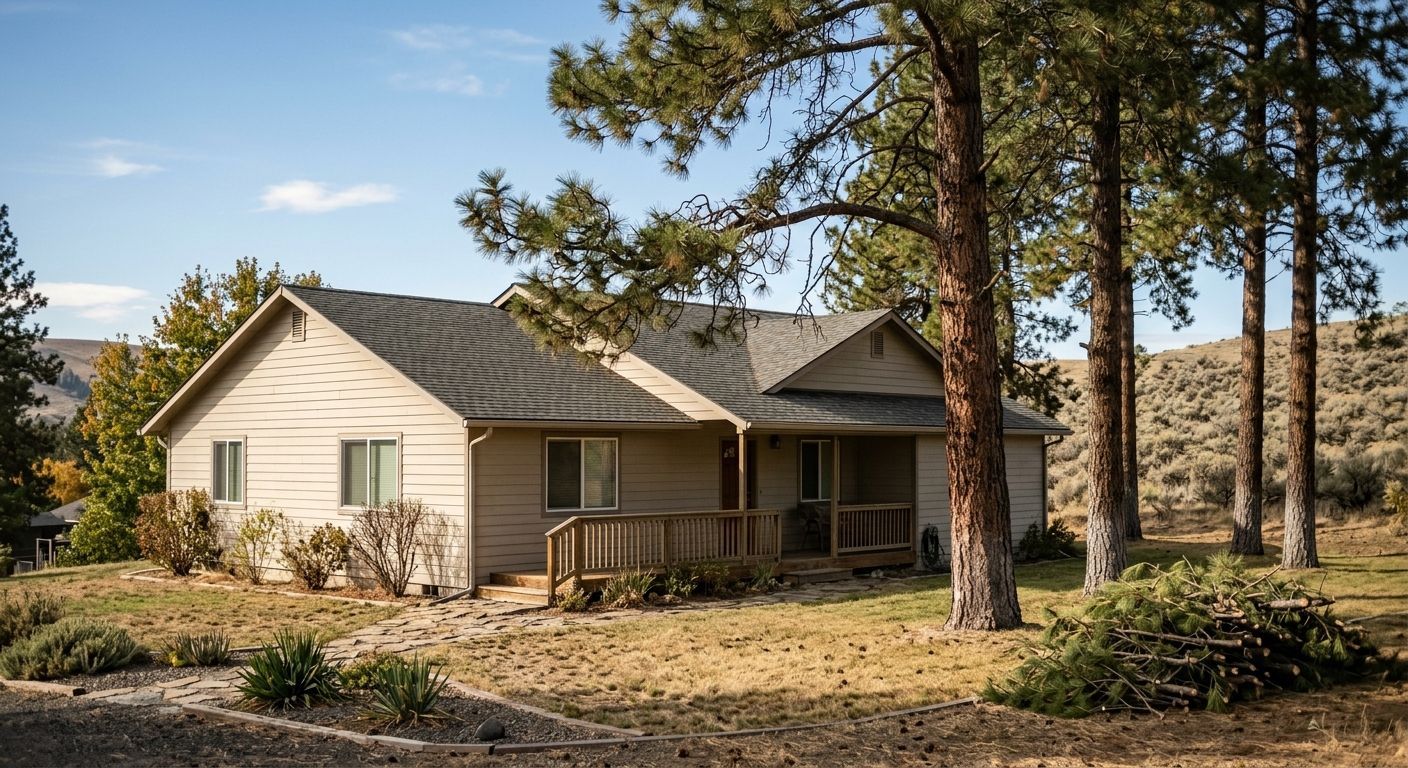
Neglected backyard fruit trees in Yakima are not just an eyesore. They are a genuine threat to the region's commercial apple, pear, and cherry industry.
Yakima County sits at the heart of Washington's agricultural identity. The Horticultural Pest and Disease Board actively monitors residential properties here for exactly this reason. Unmanaged trees can quietly harbor pests and diseases that spread fast, jump property lines, and devastate commercial orchards before anyone notices. Knowing when and how to trim your fruit trees is one of the most responsible things you can do as a homeowner in this valley.
Joe's Tree Removal serves property owners throughout Yakima who are navigating these exact concerns. This guide explains what to look for, how to respond, and when professional help is not optional.
The Two Biggest Threats Hiding in Your Backyard
Two specific problems make backyard fruit trees a regional liability in Yakima County.
Fire blight is a highly contagious bacterial disease that attacks apples, pears, and other members of the rose family. It spreads through rain splash, insects, and pruning tools that have not been sanitized. An infected branch can look like it was scorched by fire: dark, shriveled, and bent at the tip in a classic "shepherd's crook" shape. If it reaches the rootstock, it can kill the entire tree fast.
Apple maggot is a regulated pest under strict state-enforced quarantine zones in Yakima County. Adult flies lay eggs directly into fruit. Larvae tunnel through the flesh and render it unsalvageable. A single ignored backyard tree can become a launchpad for a population that spreads outward quickly.
Both threats are preventable. Both require prompt action.
How to Identify Fire Blight Before It Spreads
Catching fire blight early makes a real difference. Here is what to look for during your next walk around the yard:
- Branch tips that appear scorched, dark brown, or black
- Leaves that have shriveled but remain attached to the branch (they do not fall off cleanly)
- A "shepherd's crook" curl at the end of a new shoot
- Oozing, water-soaked cankers on bark, especially near pruning cuts or wounds
- Fruit that has turned dark and mummified on the branch
If you spot any of these signs, do not wait. The window for effective trimming is short, and the disease spreads aggressively during warm, wet spring conditions.
The Right Way to Trim Infected Branches
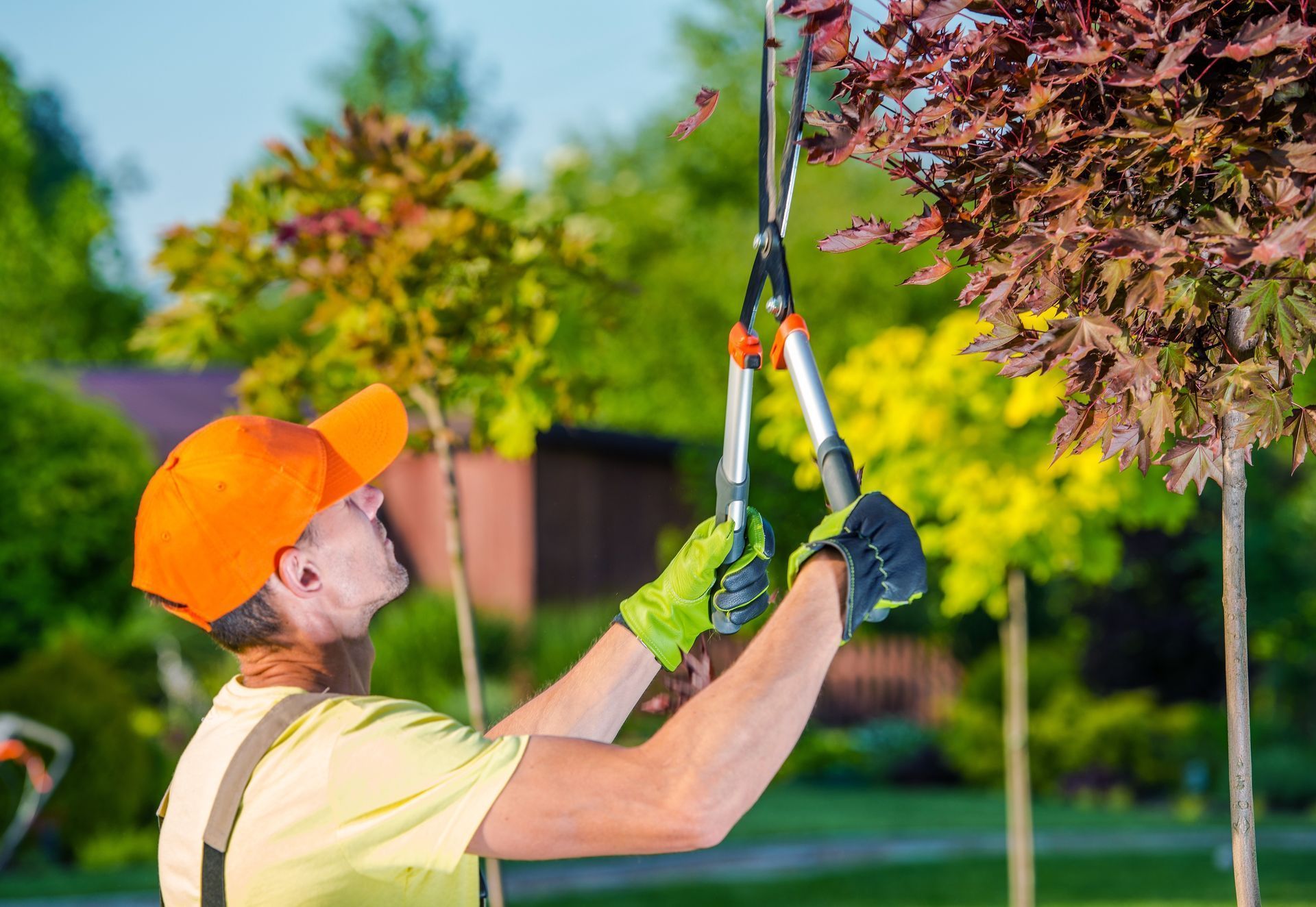
Fruit tree trimming in Yakima for disease control follows a specific protocol. This is not the same as general aesthetic pruning.
Cuts must be made 12 to 18 inches below the lowest visible symptom on the branch. This is not a preference. It is a requirement. The bacterial infection often travels further down the branch than what the eye can see.
Every single cut must be made with sanitized tools. Use a 10% bleach solution or rubbing alcohol between each cut. Skipping this step turns your pruning saw into a delivery device for the bacteria, spreading it to every healthy branch you touch afterward.
Remove infected cuttings from the property entirely. Do not compost them. Bag them, or have them hauled away by a professional.
This is detailed, exacting work. One missed step can undo an entire trimming session.
When Trimming Is Not Enough
Sometimes a tree is too far gone. A tree with fire blight that has reached the main trunk or rootstock is very difficult to save. A tree with extensive structural decay, pest infestation, or decades of neglect may no longer be a trimming candidate.
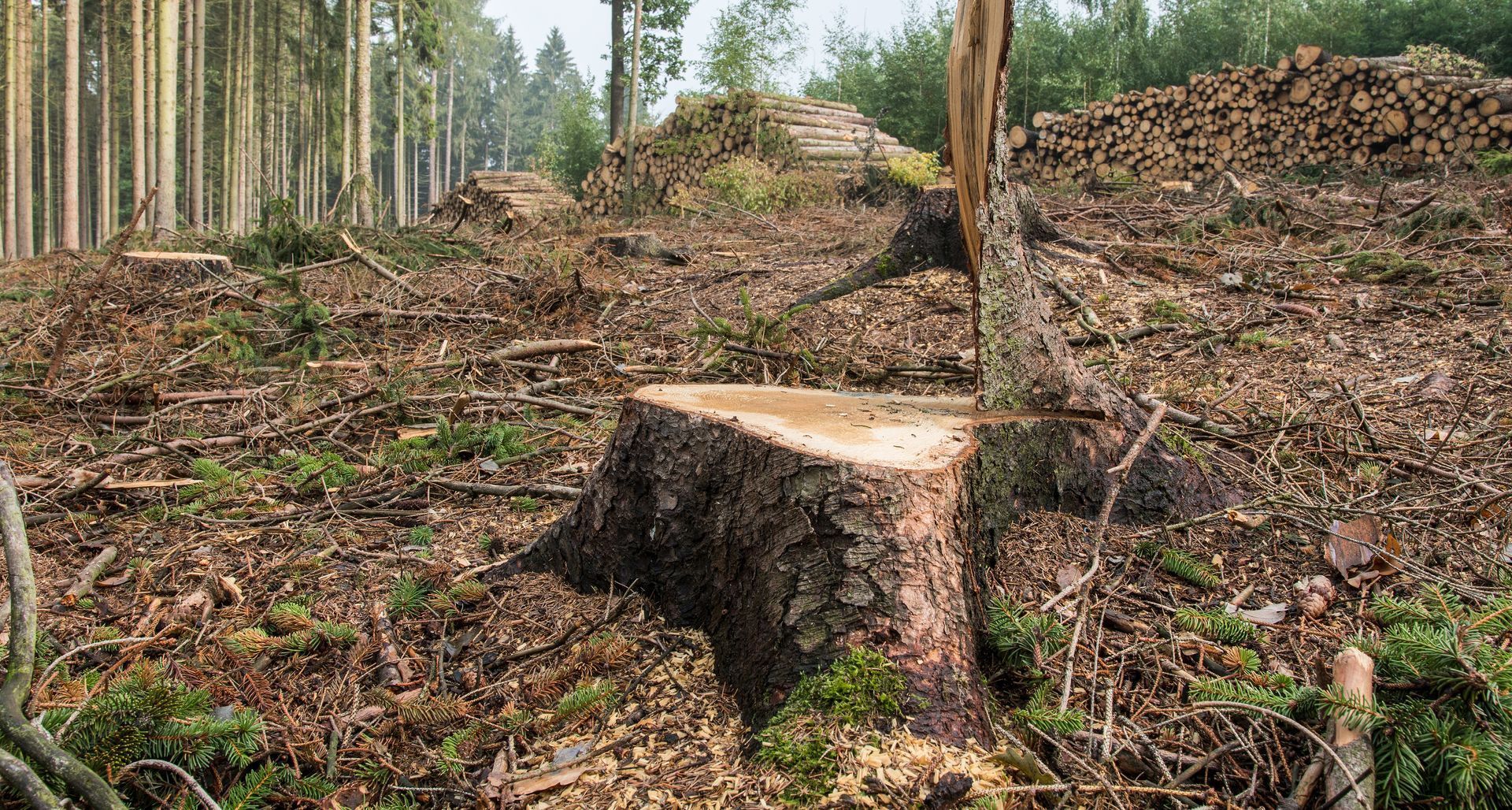
In those cases, complete tree removal is the most responsible option. Leaving a heavily diseased tree standing protects nothing. It continues to harbor pests. It continues to spread infection. It puts your other plants and your neighbors' trees at risk.
Prompt removal followed by proper disposal of all debris is the clean break that stops the spread.
What Happens After Removal: Stump Grinding Matters Too
Removing a diseased fruit tree is a smart move. Leaving the stump behind can undermine the whole effort.
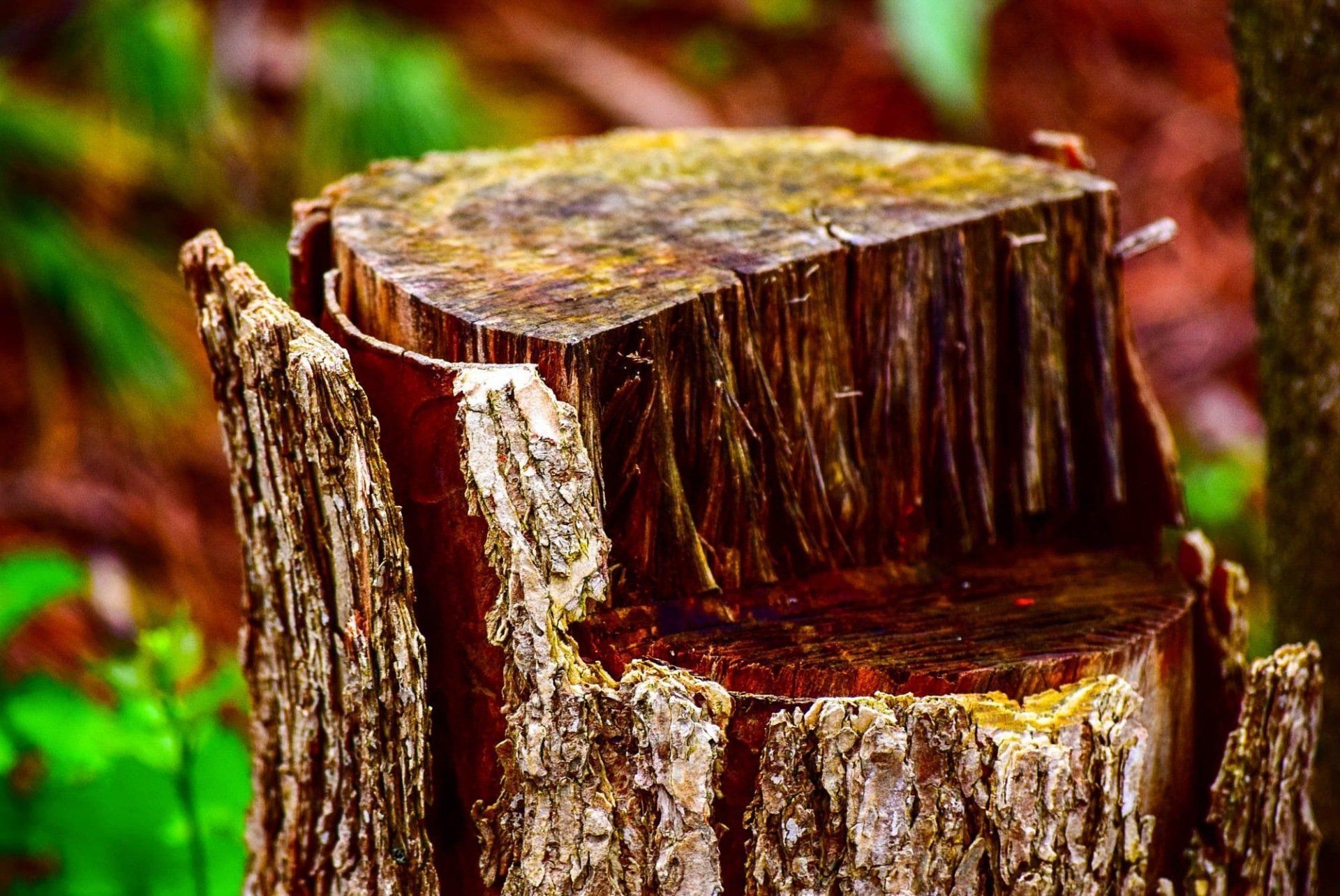
Decaying stumps become breeding grounds for wood-destroying insects and subterranean fungal pathogens like root rot. Those pathogens do not stay put. They can migrate underground and infect the root systems of nearby healthy trees.
Professional stump removal grinds the stump down below the soil surface and removes the material entirely. It sanitizes the planting zone and eliminates the underground reservoir of decay that a leftover stump represents.
Timing Your Annual Fruit Tree Trimming
Yakima's climate shapes the ideal trimming calendar for fruit trees. Late winter, before new growth emerges and while the tree is still dormant, is typically the best window for general structural pruning. It limits stress on the tree and reduces disease transmission risk.
However, fire blight trimming operates on a different schedule. If you spot symptoms during the growing season, act immediately. Do not wait for a "better" time of year. Delay always works in the disease's favor.
Spring in Yakima can shift quickly from cool and wet to dry and hot. The wet window is exactly when fire blight spreads fastest. Staying ahead of it requires attention and a willingness to act fast.
Ready to protect your yard and your neighbors' orchards? Reach out to Joe's Tree Removal for professional fruit tree trimming, removal, and stump grinding services throughout Yakima.
Frequently Asked Questions
How far below the symptoms should I cut when trimming for fire blight?
Cuts should be made 12 to 18 inches below the lowest visible sign of infection. The bacteria often travels further down the branch than surface symptoms reveal.
Do I need to sanitize my pruning tools between cuts?
Yes, absolutely. Use a 10% bleach solution or rubbing alcohol between every single cut. Skipping this step spreads the bacteria from infected wood to healthy wood.
Can a backyard tree really affect commercial orchards nearby?
Yes. The Yakima County Horticultural Pest and Disease Board monitors residential properties precisely because neglected backyard trees can serve as disease and pest reservoirs that threaten commercial operations.
Is it always possible to save a tree with fire blight through trimming?
Not always. If the infection has reached the rootstock or main trunk, removal is often the most responsible choice. A certified professional can assess whether trimming or full removal is the right call.
What should I do with branches trimmed from a diseased tree?
Do not compost them. Bag them for disposal or have a professional remove them from the property entirely to prevent reintroduction of the disease.