When Trees Become Threats: What Every Yakima Homeowner Needs to Know
Yakima's landscape is one of its greatest assets. Mature birch trees lining suburban streets, towering ponderosa pines in the foothills, and dense conifers providing summer shade all make this region uniquely beautiful. But those same trees can quietly transform from neighborhood treasures into serious property hazards, and often faster than most homeowners realize.
At
Joe's Tree Removal, we work with Yakima-area property owners every season who are surprised to learn just how many regional threats are actively targeting the trees on their land. From wood-boring beetles to 70 mph wind gusts, the Central Washington environment is unforgiving. Understanding the risks is the first step toward protecting your home, your family, and your investment.
The Bronze Birch Borer: A Silent Killer in Yakima Yards
White birch trees are a beloved staple in Yakima residential landscaping. Their bright bark and graceful canopy make them one of the most commonly planted ornamental trees in the valley. Unfortunately, they are also one of the most vulnerable.
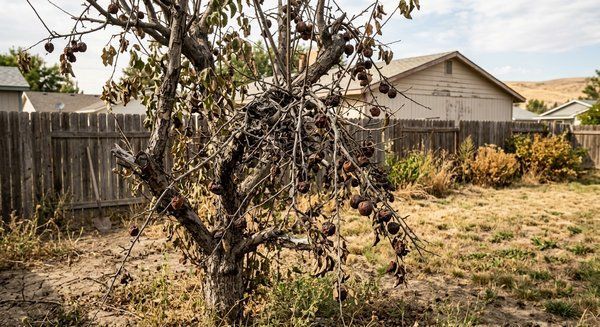
The Bronze Birch Borer is a wood-boring beetle that has become a significant pest threat throughout the Yakima region. This insect bores beneath the bark and feeds on the inner tissue that carries water and nutrients throughout the tree. By the time most homeowners spot the telltale warning sign (dieback starting at the very crown of the tree and working its way down), the infestation has typically progressed well beyond treatment.
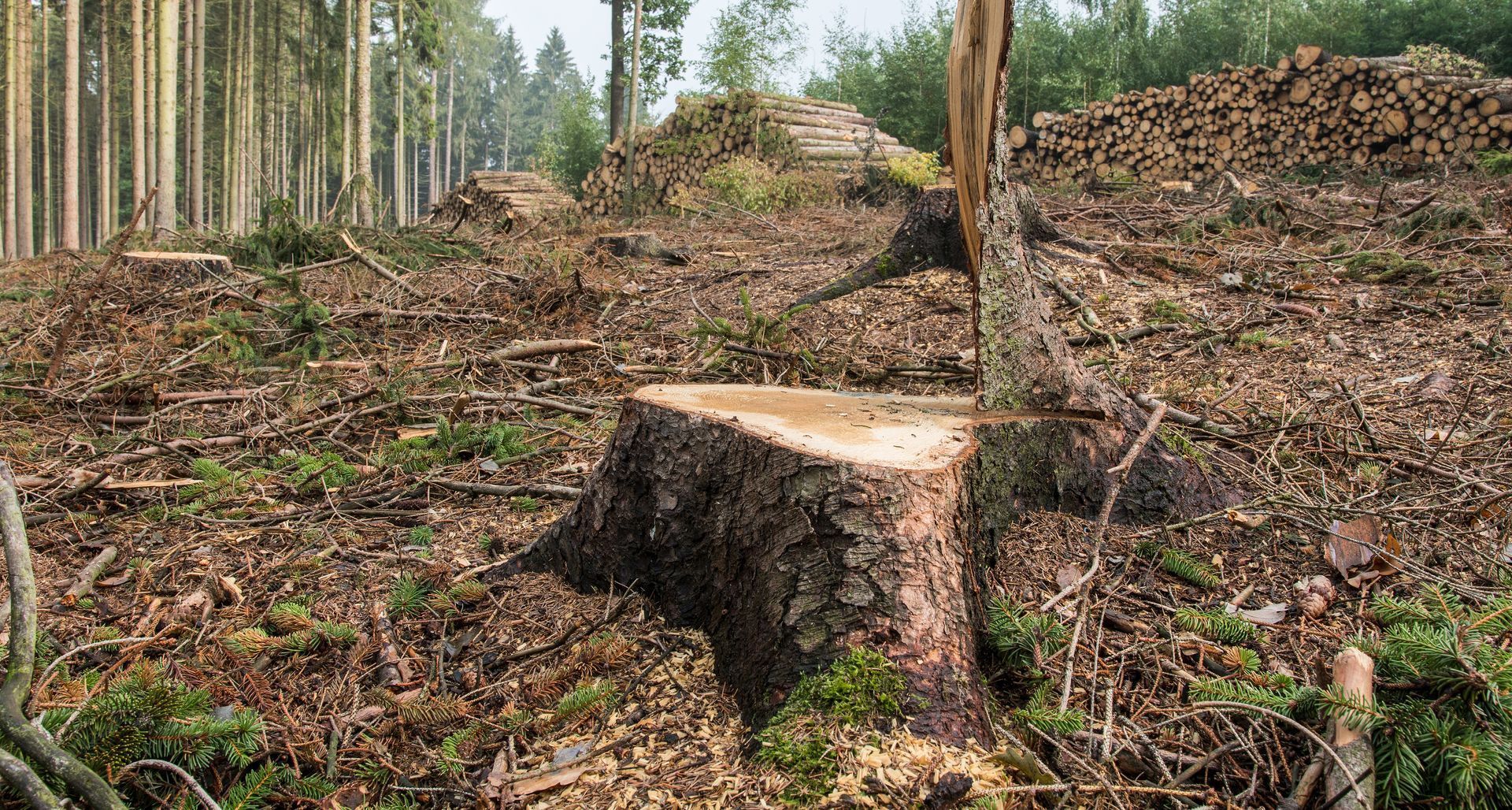
An advanced Bronze Birch Borer infestation leaves the tree structurally unstable and highly brittle. Branches can snap without warning, and the trunk itself becomes unpredictable under any amount of stress. In these cases, professional tree removal is not only just the recommended option, it is the only safe one. Leaving a beetle-compromised birch standing also risks spreading the infestation to neighboring trees and yards throughout your block.
What to watch for: Yellowing or thinning canopy starting at the top, S-shaped galleries visible beneath peeling bark, and D-shaped exit holes roughly 3 to 5 mm wide in the trunk.
Pine Beetles Are Threatening Yakima's Conifers Too
Birch trees are not the only species under attack. According to forest health monitoring data from the Washington Department of Natural Resources (DNR), localized outbreaks of the Douglas-fir beetle and the California fivespined Ips engraver beetle have been causing elevated conifer mortality across Yakima County.
Mature ponderosa pines and Western white pines that succumb to these beetles die relatively quickly. In Yakima's dry climate, a dead conifer desiccates fast, turning into a massive standing fire hazard and a structurally unsound liability that can collapse during a windstorm.
If you have large conifers on your property, inspect them regularly for small boring holes, pitch tubes (small masses of hardened sap on the trunk), or needles that have turned yellow or reddish-brown. If a tree has already been killed by beetle activity, prompt removal is critical.
Wildfire Season and the 30-Foot Defensible Space Rule
Yakima County's semi-arid, desert-like climate places it squarely in wildfire country. Local authorities and organizations like the North Yakima Conservation District actively promote the creation of "Defensible Space" around residential structures under the International Wildland-Urban Interface (WUI) Code.
The numbers behind this recommendation are compelling: research from the Washington DNR indicates that up to 80% of homes lost in wildland fires could potentially be saved if surrounding vegetation had been properly managed beforehand.
Here is how defensible space is structured:
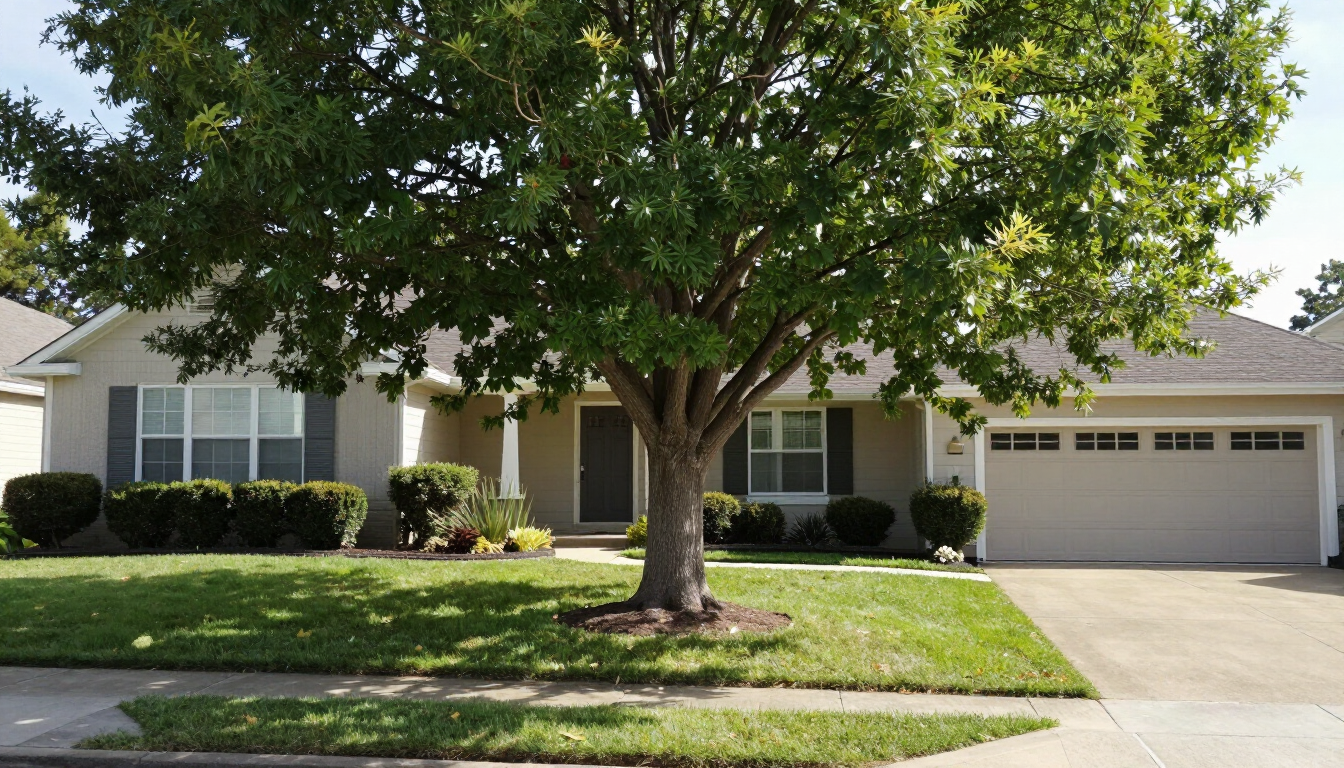
Zone 1 (0 to 30 feet from your home): This buffer zone requires removing dead vegetation, thinning dense conifers, and eliminating branches that hang over or touch your roof. Low-hanging limbs must be pruned up to 6 to 10 feet off the ground to remove "ladder fuels" that allow ground fires to climb into the canopy.
Zone 2 (30 to 100 feet from your home): Trees and shrubs in this zone should be spaced and thinned so fire cannot easily spread from one plant to the next.
Professional tree removal and canopy thinning in both zones is one of the most impactful steps a Yakima homeowner can take before fire season arrives each summer.
Yakima's Fierce Windstorms and Emergency Tree Removal
Anyone who has lived in the Yakima Valley for more than a year knows the wind. The National Weather Service regularly issues advisories warning of sustained winds between 25 and 35 mph, with gusts reaching 50 to 70 mph or higher during seasonal events.
High winds are relentless at finding structural weaknesses in trees. Co-dominant stems (two trunks growing from the same base), root rot hidden underground, and heavy unpruned canopies all become catastrophic failure points when a major wind event rolls through. Heavy limbs and entire trees can come down onto roofs, vehicles, driveways, and power lines in a matter of seconds.
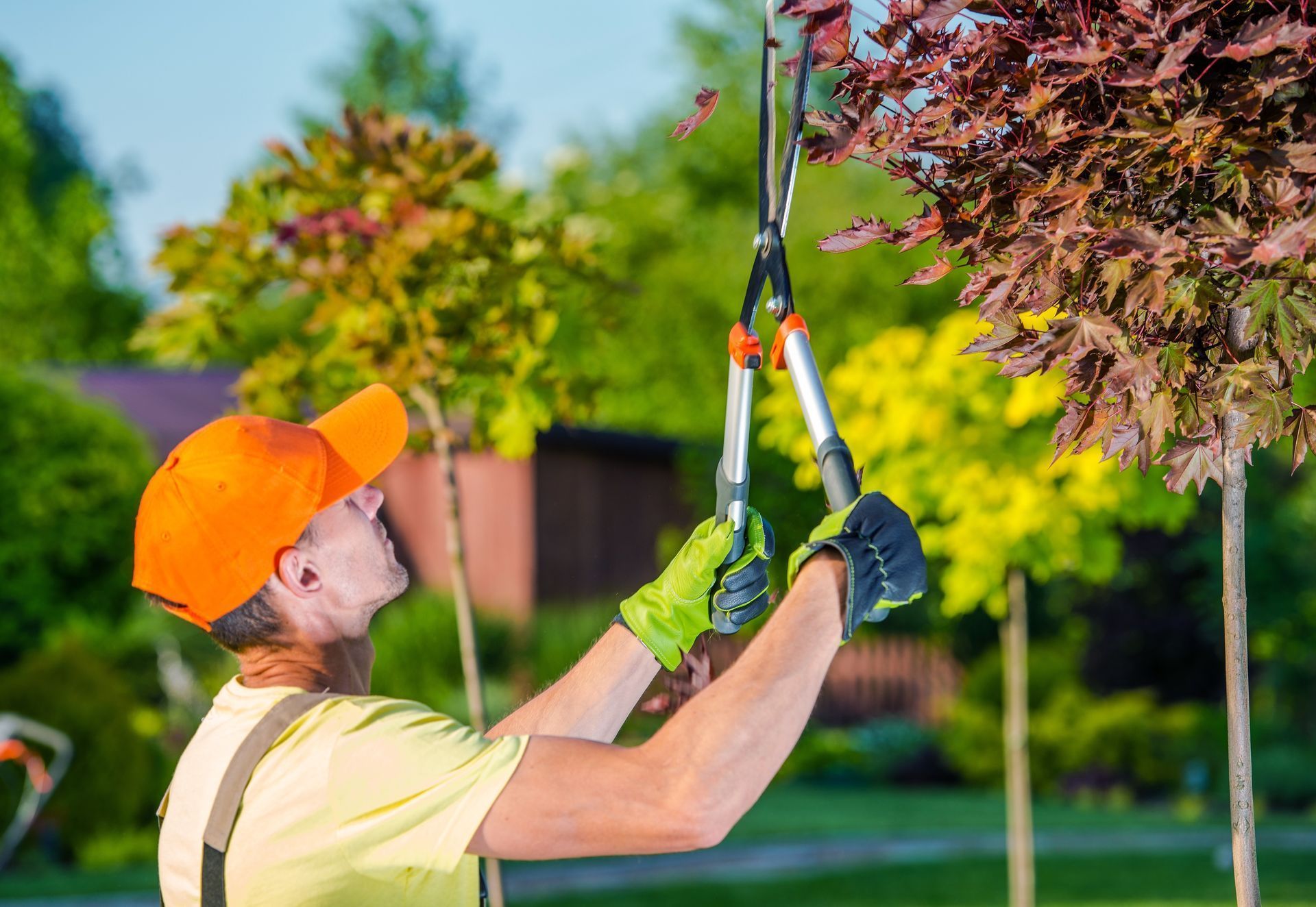
Proactive structural pruning before windstorm season is always the smarter financial decision. Emergency tree removal after storm damage almost always costs significantly more than planned maintenance, not to mention the added costs of home repairs, insurance claims, and cleanup.
The trees on your Yakima property deserve attention before they become emergencies. Whether you are concerned about beetle damage, preparing for wildfire season, or worried about a leaning tree ahead of the next big windstorm, acting early is always the safer and more affordable choice.
Schedule a Hazard Tree Assessment with Joe's Tree Removal Today
Frequently Asked Questions
How do I know if my birch tree has Bronze Birch Borer damage?
Look for dieback beginning at the very top of the tree and progressing downward. You may also notice D-shaped exit holes in the bark, S-shaped tunneling galleries beneath peeling bark, and an overall thinning of the canopy. If the top third or more of the tree has died back, the infestation is likely too advanced for treatment and removal may be necessary.
Does my property really need defensible space if I live in the city?
Yes. Even urban and suburban Yakima properties are at risk during dry, windy fire conditions. The WUI Code standards apply throughout fire-prone areas of Yakima County, and insurance providers are increasingly factoring vegetation management into homeowner policy assessments.
Can beetle-killed trees be left standing if they are not near my house?
It is not advisable. Dead conifers dry out rapidly in Central Washington's climate and become highly flammable. They also lose structural integrity quickly, making them unpredictable during windstorms. Even a tree that appears stable today can drop large limbs or uproot entirely within a season.
When is the best time to have hazard trees removed in Yakima?
Late fall through early spring is generally ideal for planned removals, as trees are dormant and access is easier. However, hazard trees presenting an immediate risk should be addressed any time of year without delay. Emergency services are available for storm damage situations.
What is a "ladder fuel" and why does it matter?
Ladder fuels are low-hanging branches, shrubs, and dense undergrowth that allow a ground-level grass or brush fire to climb upward into the full tree canopy. Once fire reaches the canopy, it spreads far more rapidly and becomes significantly harder to control. Limbing trees up 6 to 10 feet off the ground removes this pathway.